What Makes a Website Feel Trustworthy?
Visitors decide if they trust your website in seconds. Here is what makes a site feel safe and legit, and what quietly sends Orlando customers away fast.
Article
First impressions matter online. A lot.
When someone lands on your site, they decide in seconds if they trust you. They aren't reading carefully. They're getting a feeling. Safe or sketchy. Legit or not.
So what actually creates that feeling? It isn't one big thing. It's a handful of small signals working together.
The signals people check without knowing it
1. Professional design
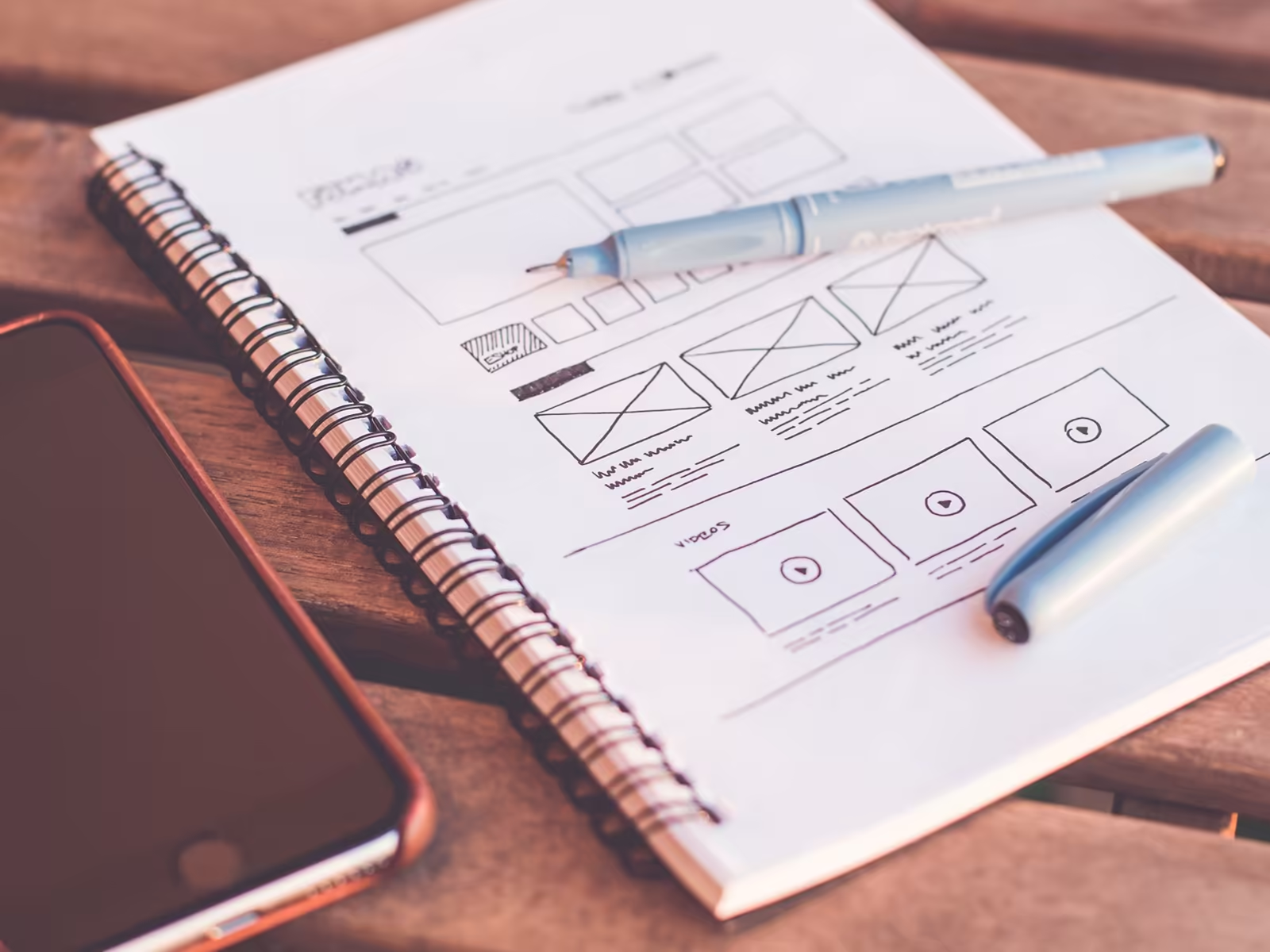
Clean layout. Good images. Fonts that are easy to read. That alone goes a long way.
Sloppy design is a red flag. People may not know design, but they know when something feels off. A crooked photo, three different fonts, a button that doesn't match anything. Nobody can name what's wrong. They just feel it, and feeling is the whole game here.
2. It works on a phone
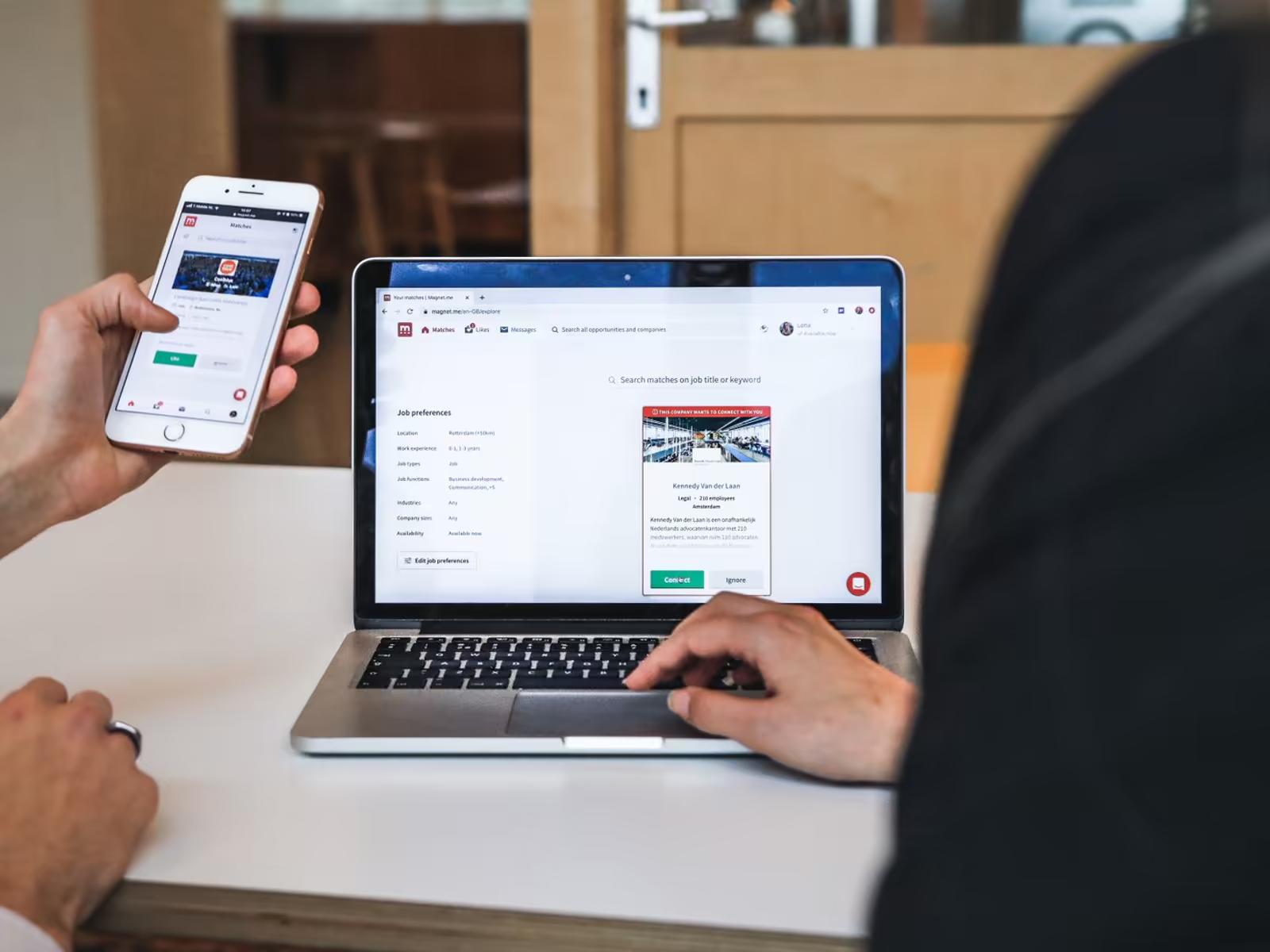
Over half of your visitors are on mobile. If your site looks broken, tiny, or hard to tap on a phone, people leave quickly.
They don't zoom in and try harder. They just go back to Google.
Test it the way they see it. Pull your site up on your phone, off wifi, standing in a parking lot with the sun on the screen. If you have to squint or pinch, so do they, and they won't bother.
3. Clear contact info
A phone number. An email. A real address, especially a local Orlando one. That shows you're real and reachable.
Hiding your contact info does the opposite. It makes people wonder why.
Same with a contact form that goes nowhere. If you've never tested yours from a phone, do it today. A form that silently fails is worse than no form, because the customer thinks they reached you, and you think they never tried.
4. Reviews and testimonials
Honest reviews build trust faster than anything you can say about yourself. Add a few from happy clients in places like Winter Garden or Windermere.
People believe other customers. Use that.
And keep them current. A wall of praise from four years ago reads like a business that stopped earning it. Two recent, specific reviews beat ten old, vague ones.
5. A secure connection
That little lock icon in the address bar matters. It's called HTTPS, and it tells visitors the site is secure.
Nobody wants to type their info into a site that feels unprotected.
Trust is the whole job
A trustworthy website turns visitors into customers. A site that looks outdated or sketchy gets clicked away from, fast.
You don't get a second chance to explain that you're actually good at what you do. The site has to say it first.
A quick test you can run today
Open your site on your phone, in private browsing, like a stranger. Don't scroll yet. In the first five seconds, can you tell what the business does, where it is, and how to contact it?
Then check the small stuff. Is the phone number tappable? Do the reviews look real and recent? Does the address match what Google shows for you?
Mismatched details are a quiet trust killer, because a careful customer notices them, and a careful customer is usually a good customer.
If two or three of those fail, fix them before you redesign anything. Trust problems are often detail problems.
If you want help putting this into practice, our website design work is built for exactly this, especially if you're dealing with a website that is not converting. Related reading: why your website is losing you money.
Want a second set of eyes on yours? Book a free brand consult with Alchemy Design in Orlando. Fifteen minutes, no pitch, no pressure. Just an honest read on what is working and what is not.